
DIAGNOSTYKA SERWOSILNIKÓW
Pomiar parametrów pracy, wykrywanie usterek oraz sprawdzanie poprawności działania sprzężenia zwrotnego.
NAPRAWA I SERWIS
PLE Service oferuje kompleksową diagnostykę, serwis i regenerację serwosilników stosowanych w automatyce przemysłowej. Dzięki naszemu doświadczeniu i dostępowi do nowoczesnego sprzętu diagnostycznego zapewniamy szybki i skuteczny serwis serwosilników, minimalizując przestoje i zwiększając efektywność procesów produkcyjnych.

W PLE Service realizujemy naprawę, serwis i regenerację serwosilników przemysłowych wykorzystywanych w układach automatyki, maszynach produkcyjnych i napędach wymagających precyzyjnego sterowania ruchem. Zakres prac dobieramy do stanu urządzenia oraz rodzaju usterki.
Pomiar parametrów pracy, wykrywanie usterek oraz sprawdzanie poprawności działania sprzężenia zwrotnego.
Diagnoza, regeneracja, programowanie i kalibracja przetworników kąta położenia wału.
Regeneracja uzwojeń silników w celu przywrócenia ich fabrycznych parametrów.
Czyszczenie, suszenie, impregnacja uzwojeń oraz kontrola stanu izolacji.
Precyzyjna kalibracja zapewniająca prawidłową pracę silnika i dokładność sterowania.
Naprawa takich elementów, jak obsady, wirniki i powierzchnie współpracujące.
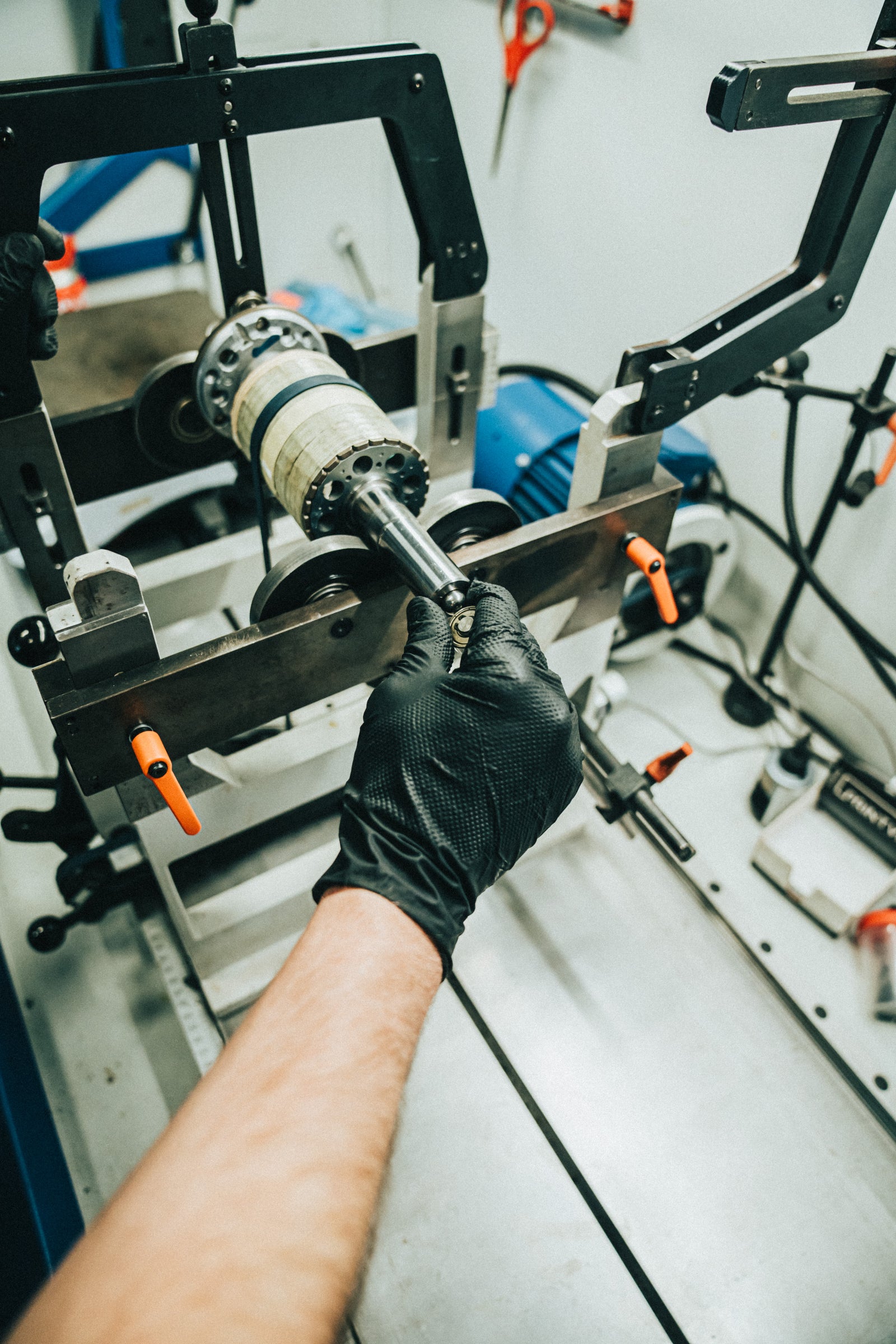
Montaż łożysk dobranych do parametrów serwosilnika i warunków jego pracy.
Diagnoza, wymiana lub regeneracja układów hamujących w serwosilnikach.
Zabezpieczenie obudowy i komponentów serwosilnika przed czynnikami zewnętrznymi.


Do najczęstszych objawów, które mogą wskazywać na konieczność sprawdzenia serwosilnika, należą:
oś wykonuje nierówne lub szarpane ruchy,
drgania serwosilnika,
serwosilnik przegrzewa się podczas pracy,
spadek momentu silnika,
silnik zatrzymuje się pod obciążeniem,
maszyna traci powtarzalność ruchu,
serwosilnik pobiera zbyt dużo prądu,
serwonapęd zgłasza błąd sprzężenia zwrotnego,
słychać hałas łożysk,
serwosilnik nie startuje po dłuższym przestoju.
pojawiają się wibracje,

Skontaktuj się z nami telefonicznie, mailowo lub wypełnij formularz zgłoszeniowy.
Awarie serwosilników należą do problemów, które mogą szybko wpłynąć na pracę maszyny, dokładność pozycjonowania oraz ciągłość procesu produkcyjnego. Usterki serwosilników dotyczą zarówno części mechanicznej, jak i elektrycznej.
Do najczęstszych usterek serwosilnika należą:
zużycie łożysk i uszczelnień,
uszkodzenia mechaniczne wału, obsad lub elementów mocujących,
uszkodzenie enkodera lub resolvera,
zanieczyszczenia, wilgoć i ślady przegrzania,
nieprawidłowe ustawienie układu sprzężenia zwrotnego,
uszkodzenie wentylatora lub ograniczenie chłodzenia,
awarię hamulca elektromagnetycznego,
uszkodzenia elementów współpracujących z serwosilnikiem, takich jak przekładnie, sprzęgła lub koła pasowe.
uszkodzenia uzwojeń i izolacji,
problemy ze złączami, gniazdami i przewodami,
1FT6, 1FK7, 1PH7, 1PH8, 1FT5, 1FT7, 1FK6
A06B, αi series
HC-KFS, HC-SFS, HA-FF, HG, SGMAS, HG-SR, HF-KE, HG-JR, HF-SP, HC-RFS
SGM, SGMG, SGMJV, SGMGV, SGMP, SGMPH, SGMUH, SGMJV, SGMAS, SGMAV, SGMRV, SGMRS, SGMSV, SGMEV,
MSK, MAC, MKD, MHD, MSM, MAD, KSM, IndraDyn
MCS, MCA, MF, MDFK, MDSK, DSV, DFV, GPA, SSN
BSF, CM, CFM, CMP, DR, DT, KA, KH
AM
AKM, DBL, VLM
1S, serii G, SGM

Specjalizujemy się również w naprawie serwosilników starszych generacji. Nasz doświadczony zespół techników posiada wiedzę i narzędzia niezbędne do diagnostyki oraz regeneracji nawet najstarszych modeli serwonapędów.
Podczas naprawy serwosilników przemysłowych sprawdzamy elementy, które bezpośrednio wpływają na płynność pracy, precyzję pozycjonowania oraz bezpieczeństwo osi napędowej.
Wykonujemy między innymi wymianę łożysk i uszczelnień, naprawę hamulców serwosilników, regenerację uzwojeń, kontrolę wału, obsad, wirnika oraz elementów współpracujących z napędem, takich jak przekładnie planetarne, ślimakowe . Zakres prac dobieramy do stanu urządzenia i rodzaju usterki, tak aby przywrócić stabilną pracę serwosilnika oraz ograniczyć koszty związane z przestojem.
Tak. Silniki i serwosilniki, to nieodłączny element automatyki przemysłowej. Zajmujemy się nimi pod kątem diagnostyki i naprawy.
Serwosilnik to silnik wyposażony dodatkowo w układ pomiarowy, enkoder lub resolver, który precyzyjnie odczytuje pozycję i prędkość wału. Dzięki temu można powiedzieć, że to bardziej zaawansowana, zaawansowana wersja zwykłego silnika, przystosowana do precyzyjnego sterowania pozycją w automatyce przemysłowej.
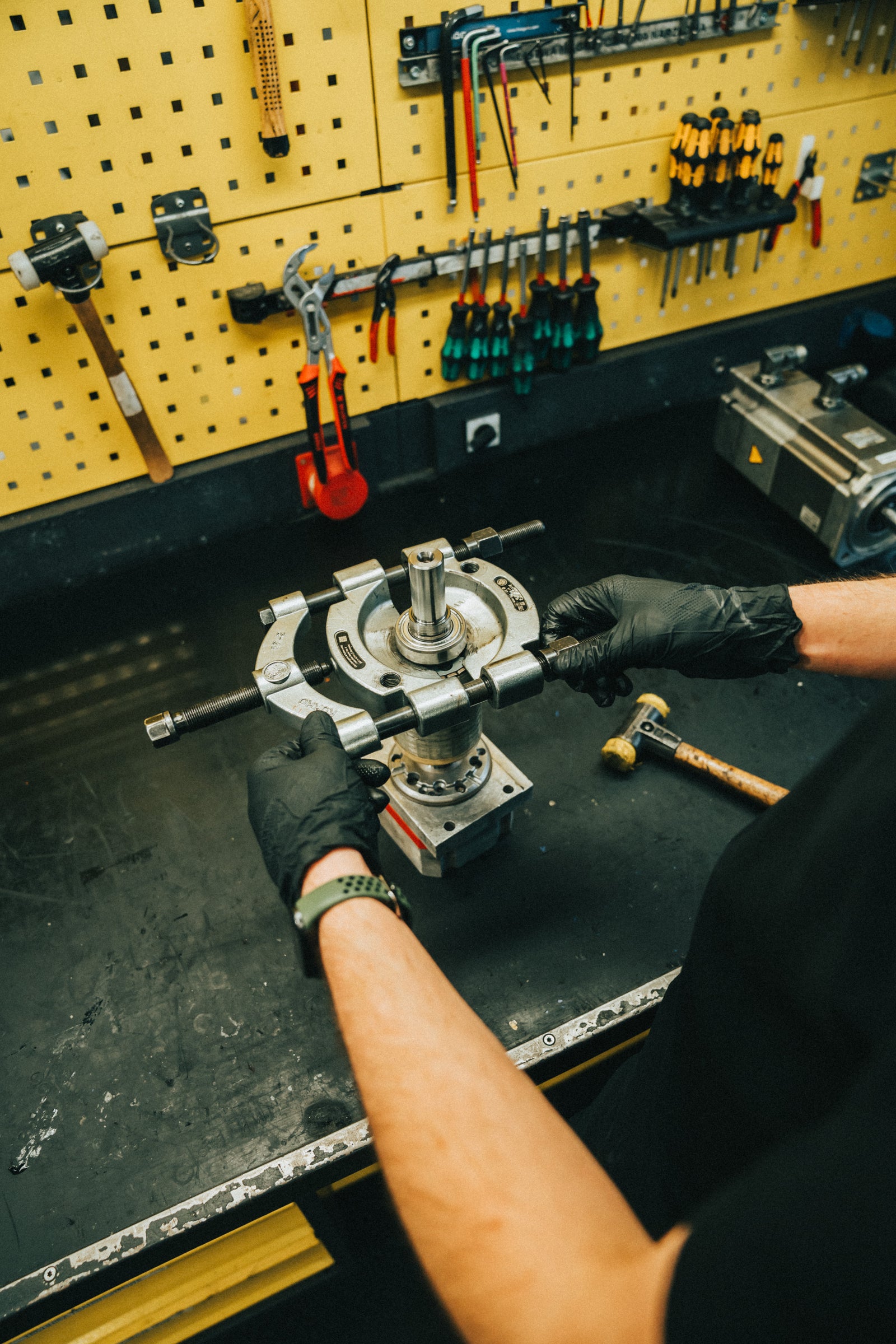
Odradzamy samodzielną wymianę łożysk w serwosilniku. Demontaż obudowy wiąże się zwykle z ingerencją w układ pomiarowy, a to bardzo często kończy się utratą pozycji zerowej, czyli problemem, który bywa nieodwracalny bez odpowiedniego sprzętu i doświadczenia. Bezpieczniej powierzyć taką naprawę serwisowi specjalizującemu się w serwonapędach.
Tak, jest na to szansa. Skontaktuj się z PLE Service, pomożemy zdiagnozować sytuację i przywrócić prawidłowe działanie serwosilnika.
Najczęstsze objawy awarii silnika to nietypowy hałas i podwyższona temperatura pracy. Żeby wykryć problem zanim dojdzie do poważniejszej usterki, w PLE Service rekomendujemy audyt silnikowy, czyli bezinwazyjną diagnostykę pozwalającą ocenić stan silnika bez jego demontażu.
Tak, jesteśmy w stanie zdiagnozować i naprawić niemal każdy typ silnika.
Tak, jest możliwość dostarczenia silnika razem z własnymi łożyskami i uszczelniaczami. Mimo to w naprawie zastosujemy części rekomendowane przez producenta silnika lub takie, którym ufamy na podstawie własnego doświadczenia. Wynika to z tego, że to PLE Service jako serwis udziela gwarancji na wykonaną naprawę.
Jesteśmy w stanie naprawić silnik w trybie ekspresowym, również w weekend lub w środku nocy, jeśli sytuacja tego wymaga.
